Before the platforms and the regulated systems, there was a bench. Physical products, hand-built models, and a sketching habit that never stopped. The judgment the case studies run on started here.
I hold to a simple test: a design has to add tangible value to the people who live with it. Victor Papanek wrote that there are professions more harmful than industrial design, but only a very few of them. I have never been able to unhear it. So usability, safety, sustainability, and honesty about what a product is for come first, and everything visible is built on top of them.
The designers I keep returning to set the register. Frank Lloyd Wright and Tadao Ando, for how built space quietly shapes the way people move and feel. Dieter Rams and Jasper Morrison, for the discipline of reducing an object to what genuinely serves. Calm, exact, and warm is where I aim.
Breil Milano Design Award 2011 · Two Shortlisted
Product Design
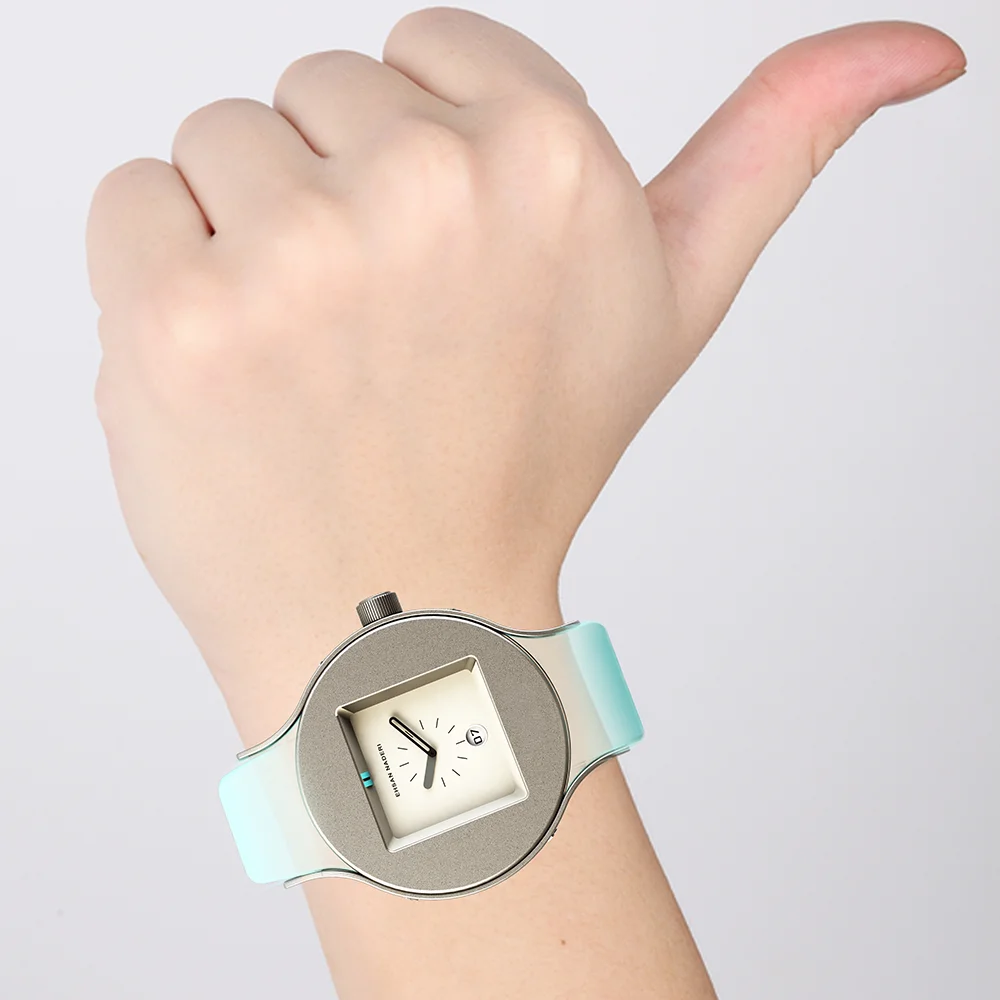
Fig. 01 · Finished timepiece prototype, 3D printed and hand-finished case and strap
Every part of this watch passed through my hands
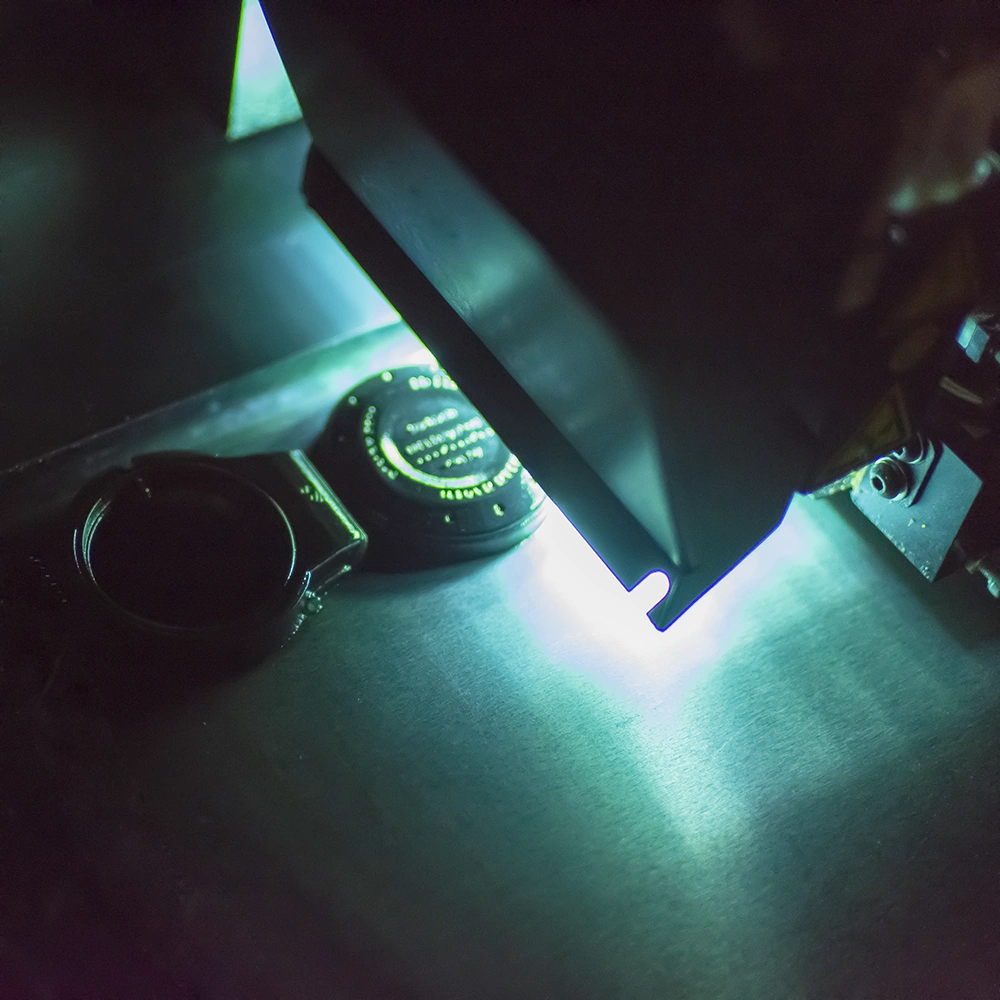
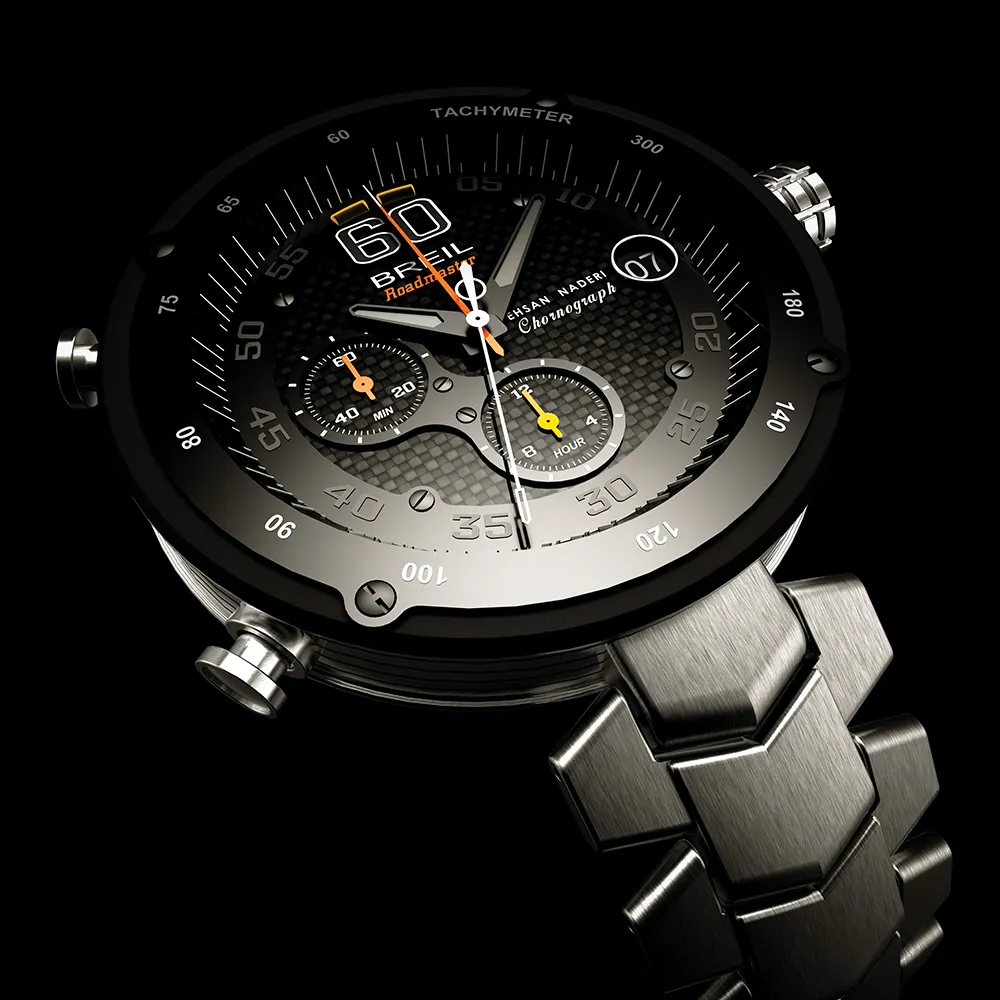
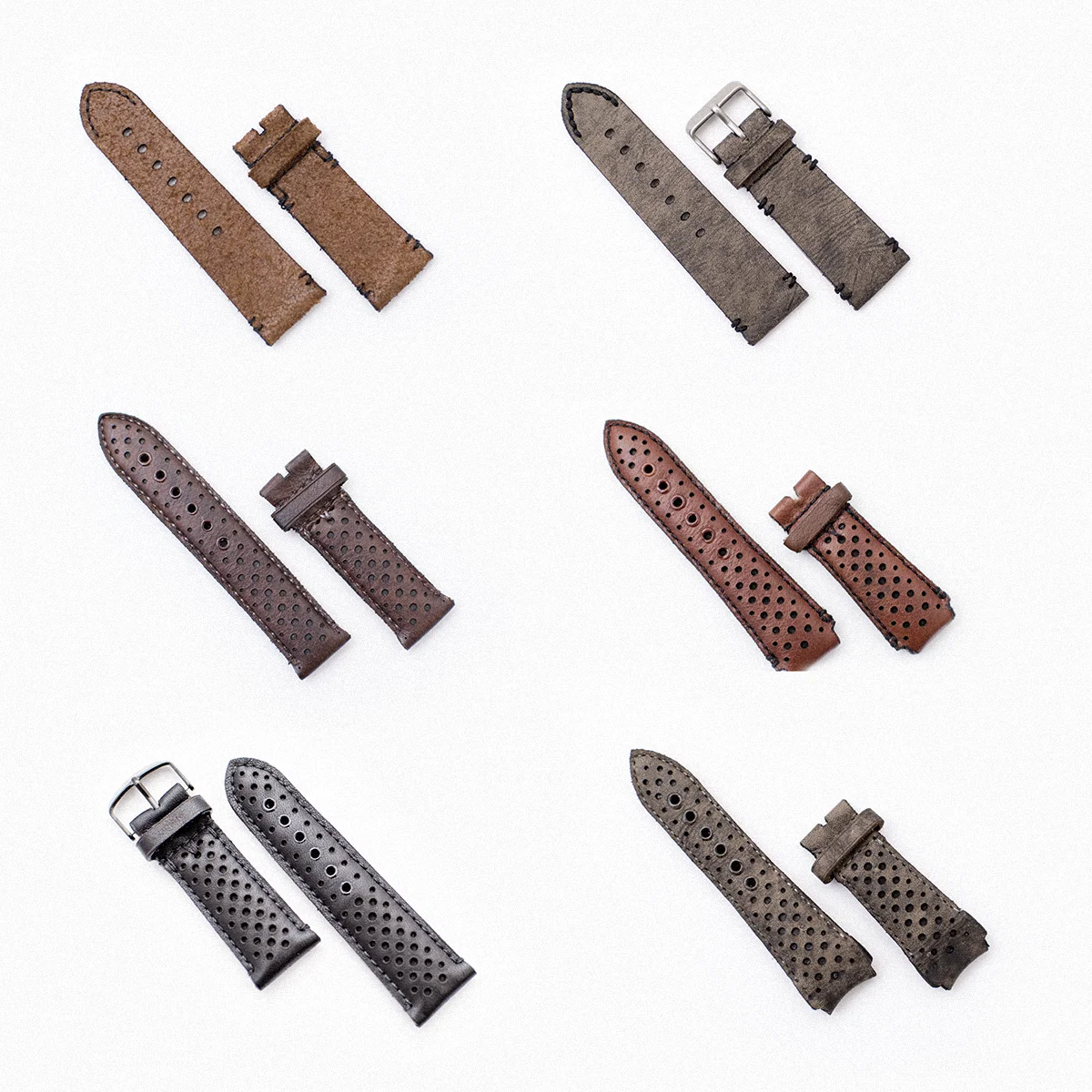
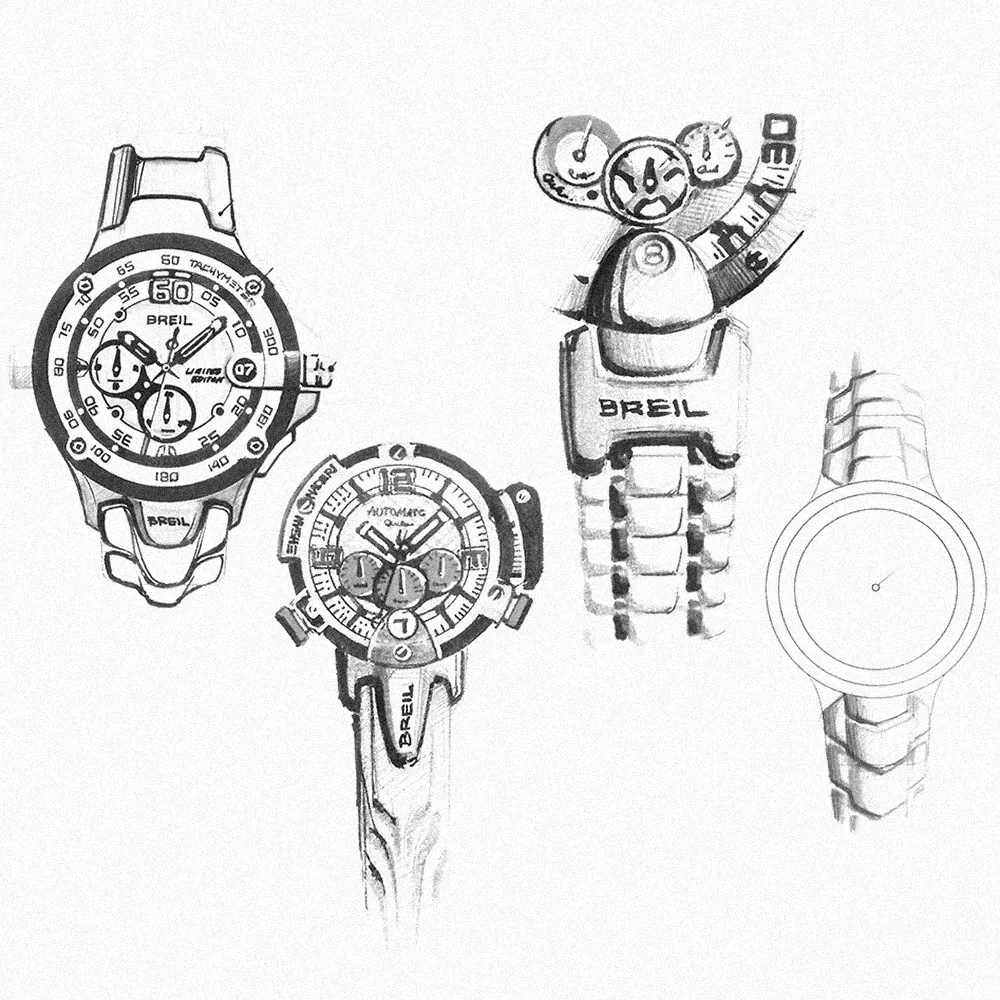
Two timepiece concepts made the Breil Design Time Award shortlist of 100, drawn from 3,037 designers across 96 countries in an international call for the next icon in watch culture. The finished build is still the work I hold to my highest standard, because nothing about it was outsourced. I drew it, modeled it, printed the case parts, cut the leather for the straps, and finished every surface until the object in my hand matched the object in my head.
Hand finishing is slow, and the slowness is the education. An hour spent sanding a case back teaches where a radius wants to break, how a strap wants to fold, what a crown should feel like under the thumb. That knowledge still walks into every screen I design, as an instinct for tolerances, for materials, and for the distance between resolved and almost.
Fig. 02 · Unisex Watch
Fig. 03 · 3D printing CAD models
Fig. 04 · Roadmaster Watch Rendering
Fig. 05 · Laser cut, hand finished straps
Fujitsu Design Award 2011 · Three Shortlisted
Consumer Electronics
The concept work was already asking human factors questions
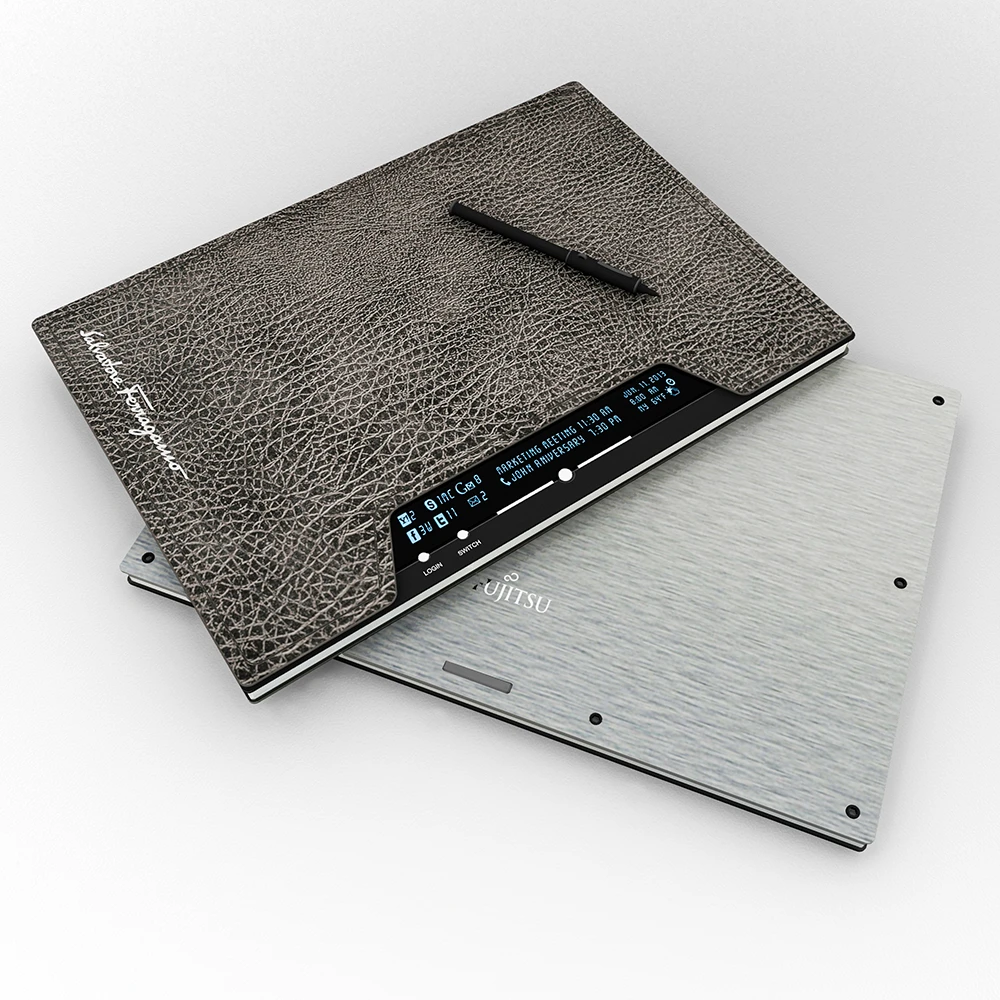
Fig. 06 · Tablet + accessories
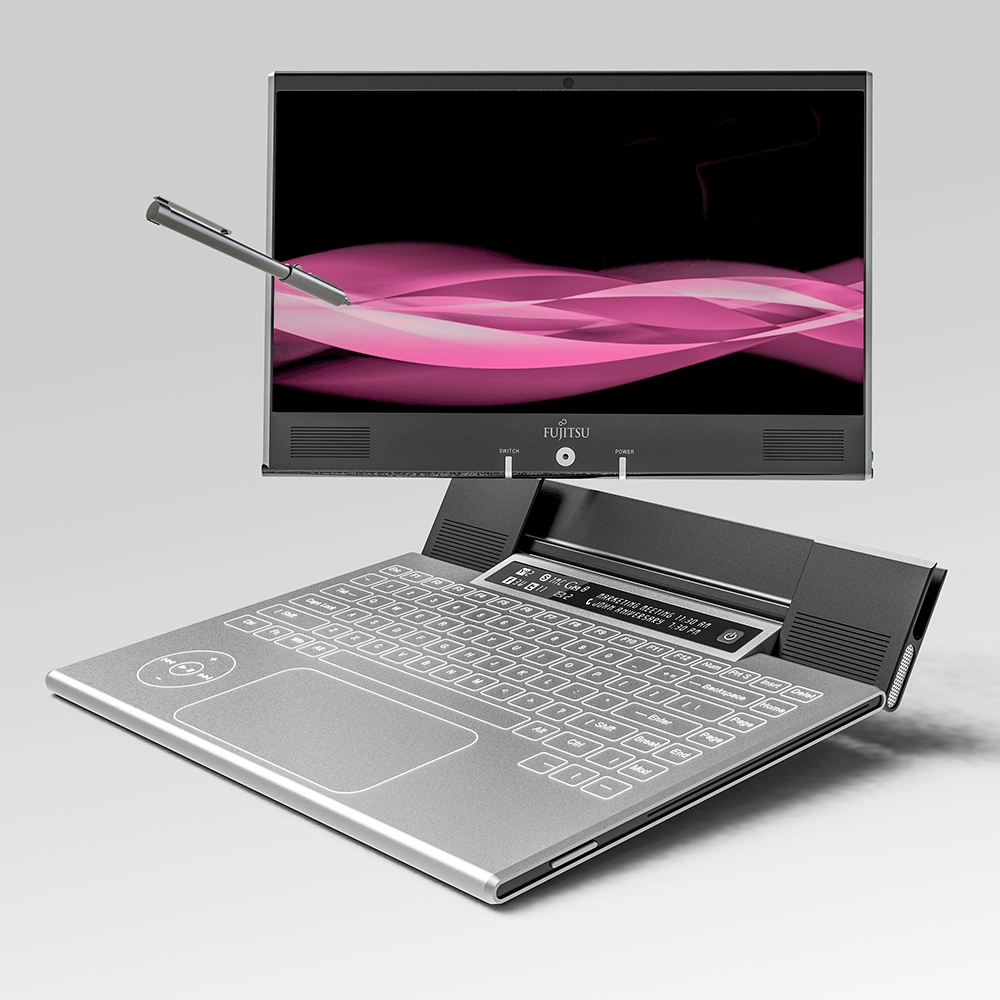
Fig. 07 · Hybrid Notebook/tablet
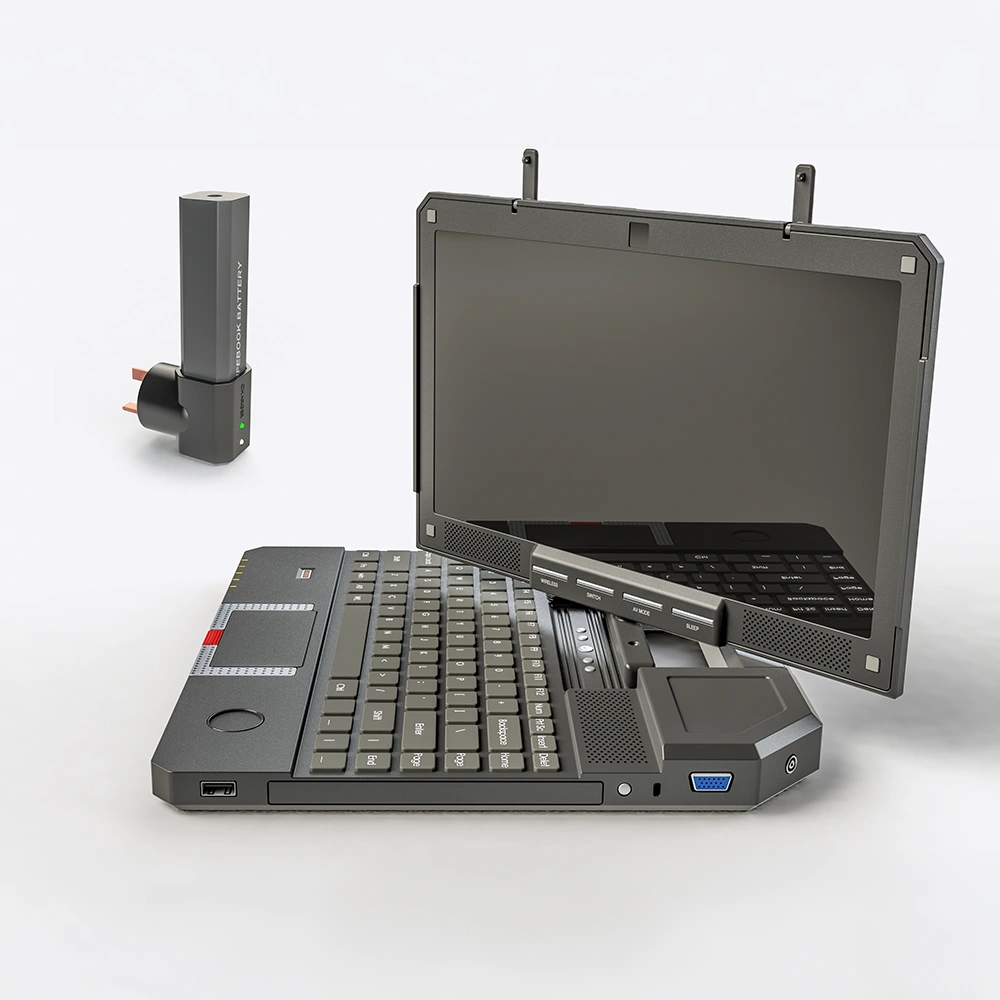
Fig. 08 · On-the-go Workhorse
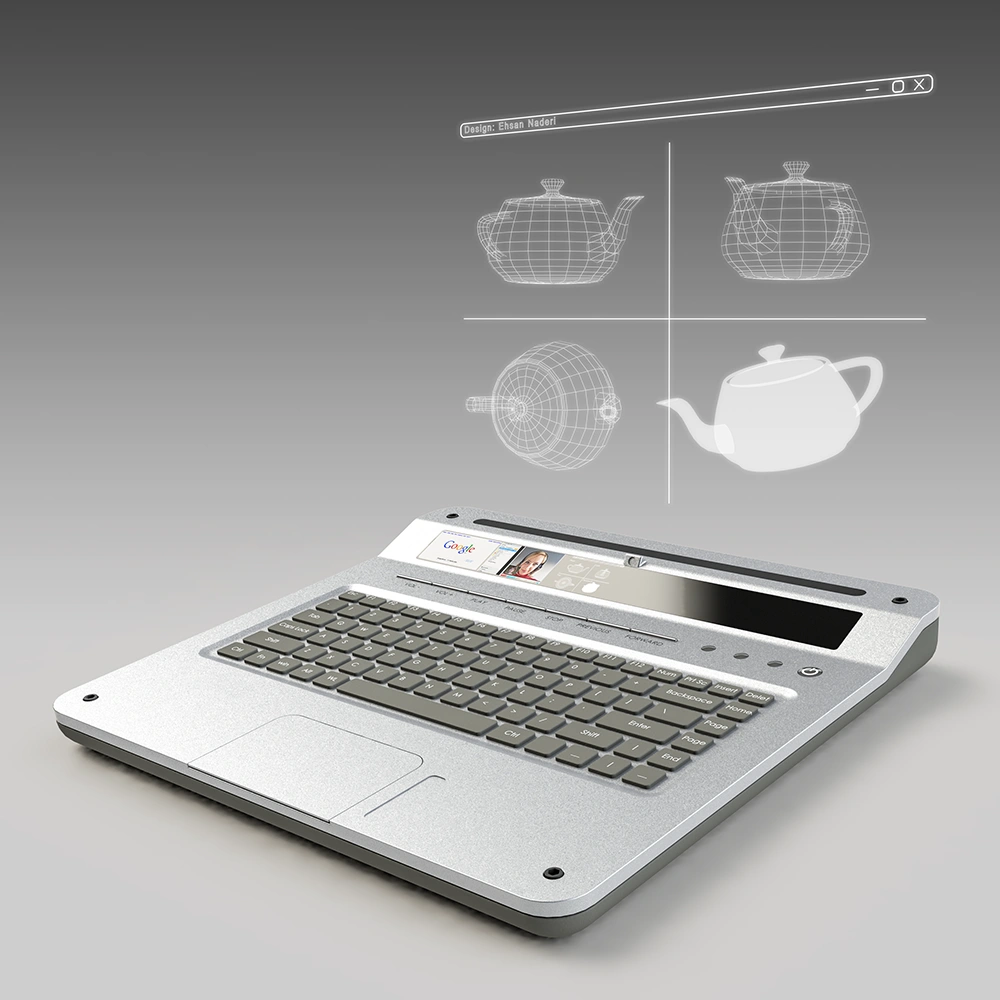
Fig. 10 · Touch bar Concept (2011)
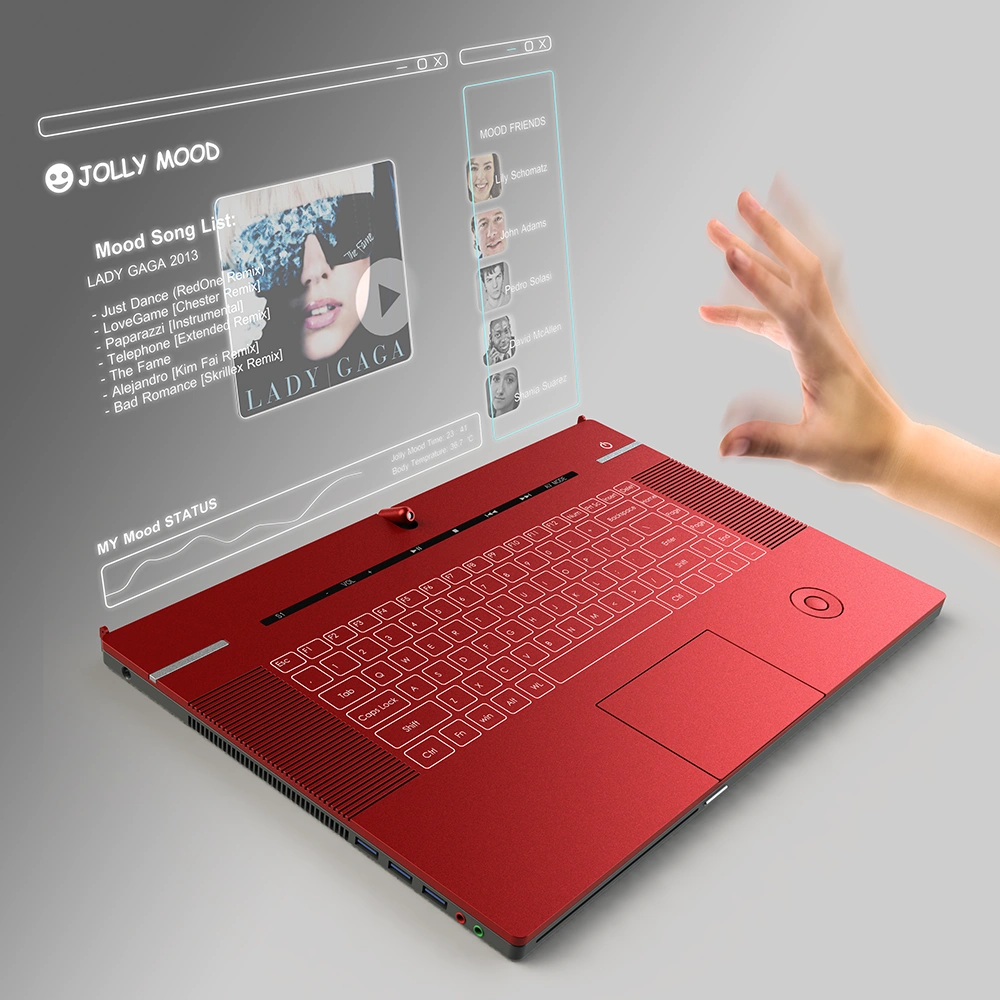
Fujitsu asked what its own notebook line should be in 2013, and entries had to arrive as buildable proposals: dimensioned drawings, materials, and the situations the device would actually be used in. Three of my designs made the LIFEBOOK category shortlist of 110, from a field of 3,354 designers across 99 countries, judged by a panel that included Ross Lovegrove, Ma Yansong, and Fujitsu’s own design president.
Lifebook Holo gave scroll and zoom their own pad beside the trackpad, and angled a second display so every open window stayed visible, because hunting for the active area of a touch surface, or for a buried window, interrupts whatever a person came to do. LivePack let the tablet unhinge from a high-performance base, so choosing portability no longer meant giving up the machine, and its drawings carried the details that decide whether an object is real: a thermoacoustic engine that turned waste heat into power, the fasteners, the shell material. Ten years later the same reasoning was shaping a control on a surgical camera head, where the surgeon cannot look down to find it. The problem was older than the domain.
Fig. 09 · Conceptual Interactions
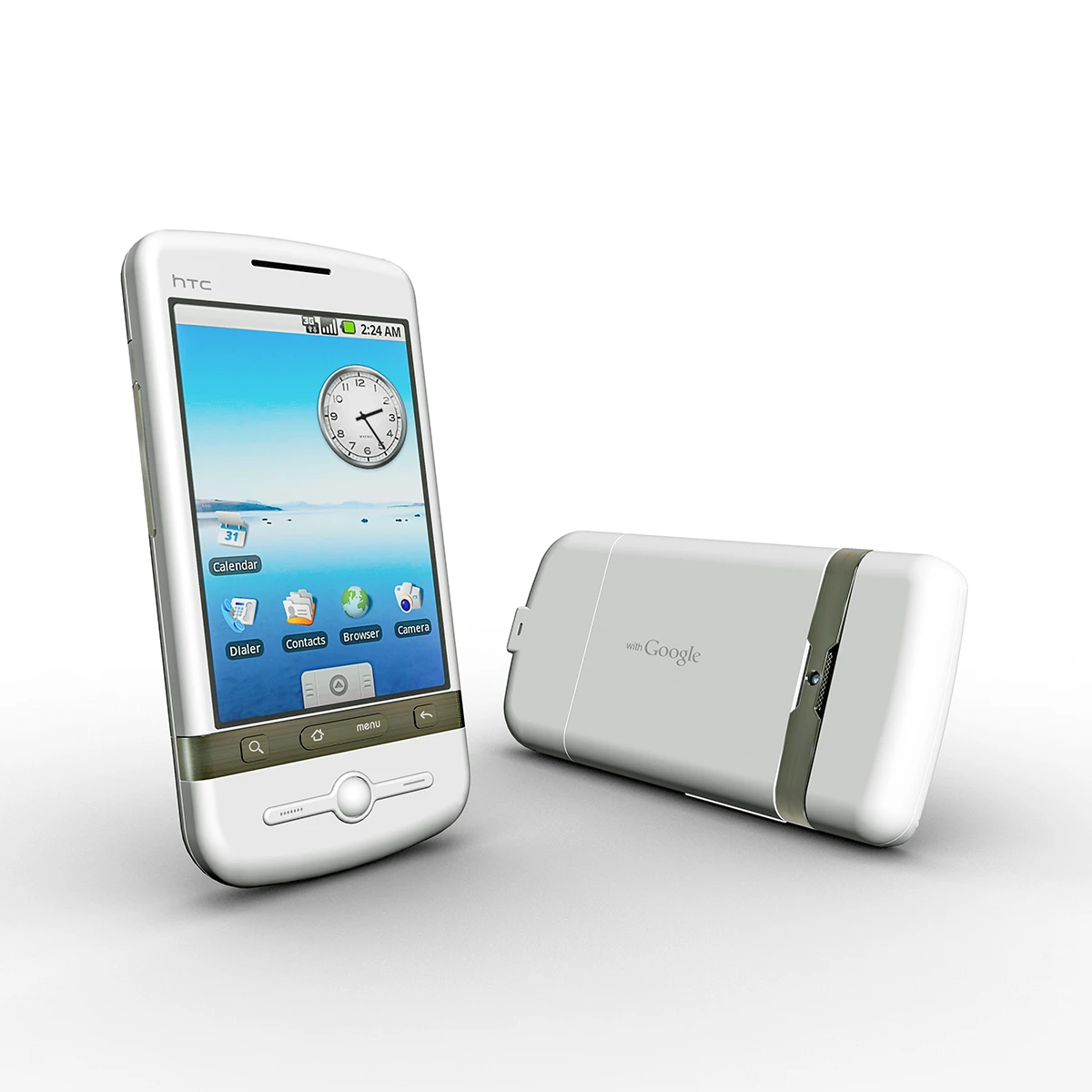
Fig. 11 · HTC for early android
N95 Face Mask Storage Solution
Medical Packaging
Fig. 12 · N95 storage improvised in paper bags during the 2020 shortage.
When supply ran out, the box became the product
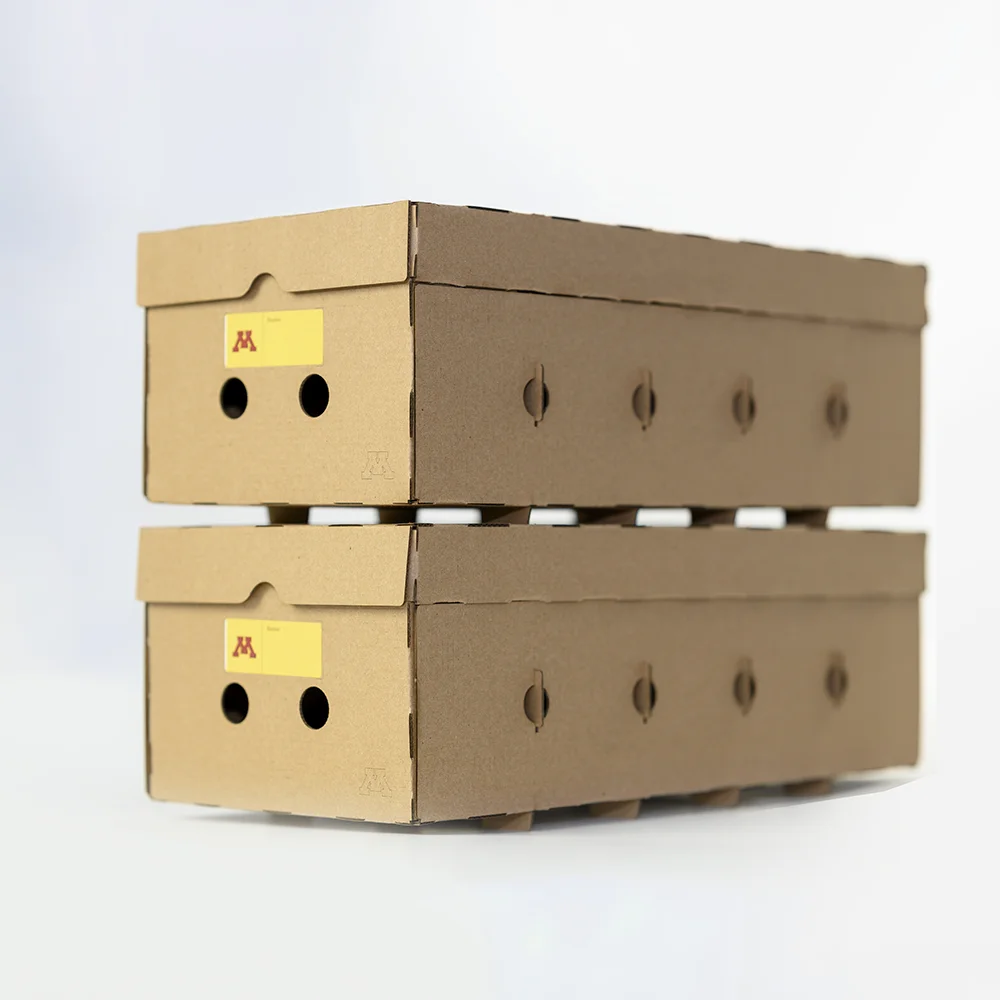
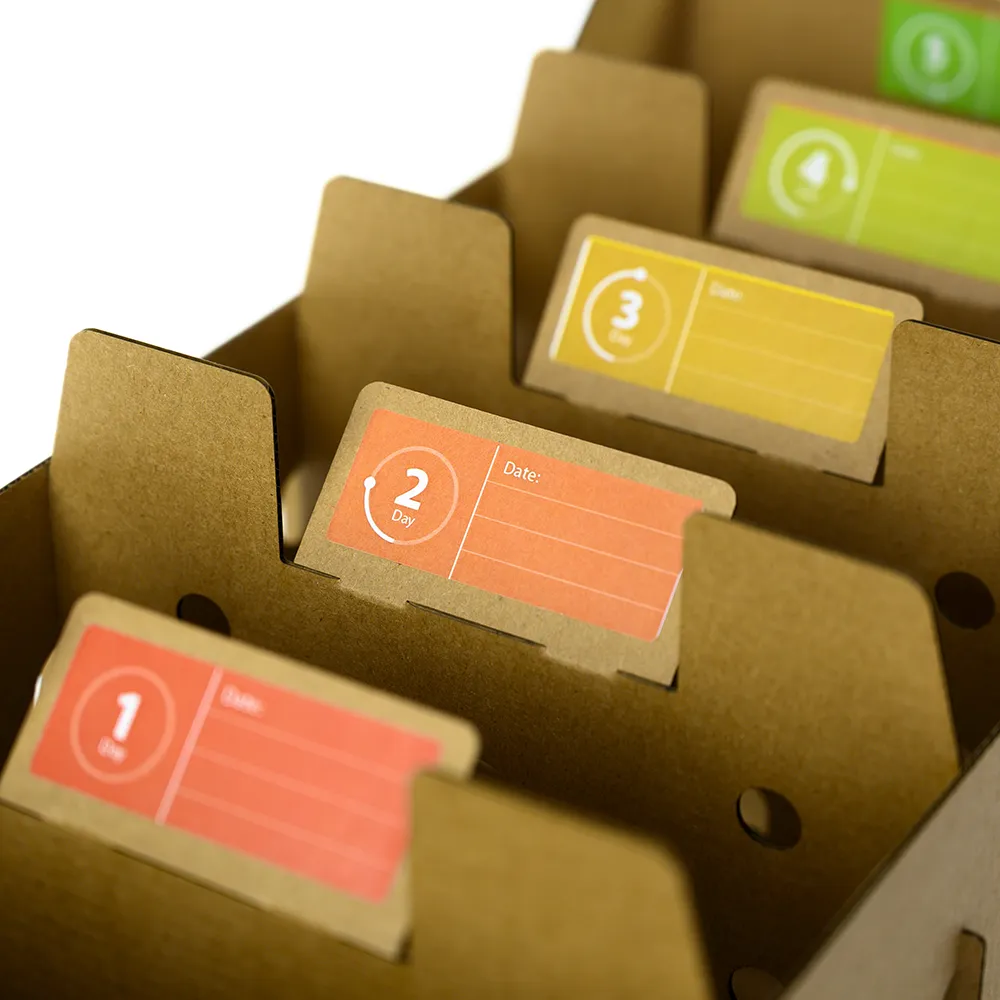
When respirators ran short in 2020, CDC guidance let hospitals reuse them after a five-day rest, and suddenly the box mattered as much as the mask. Clinicians brought the problem to an interdisciplinary university team, and I designed the storage system around the rotation itself: one box per clinician, five respirators in rotation. Ventilation keeps each respirator dry between cycles. The boxes stack without wobbling on a crowded shelf. The labels sit at an angle a tired nurse can read at the end of a shift, because the failure mode here is quiet: a respirator going back on the wrong face. About 1,000 units went into Minnesota healthcare facilities that year. Packaging, it turned out, is a use-error problem. The object has to defend the protocol when nobody has time to think about it.
Fig. 13 · Face Mask Storage Solution. Delivered to MN hospitals and clinical facilities
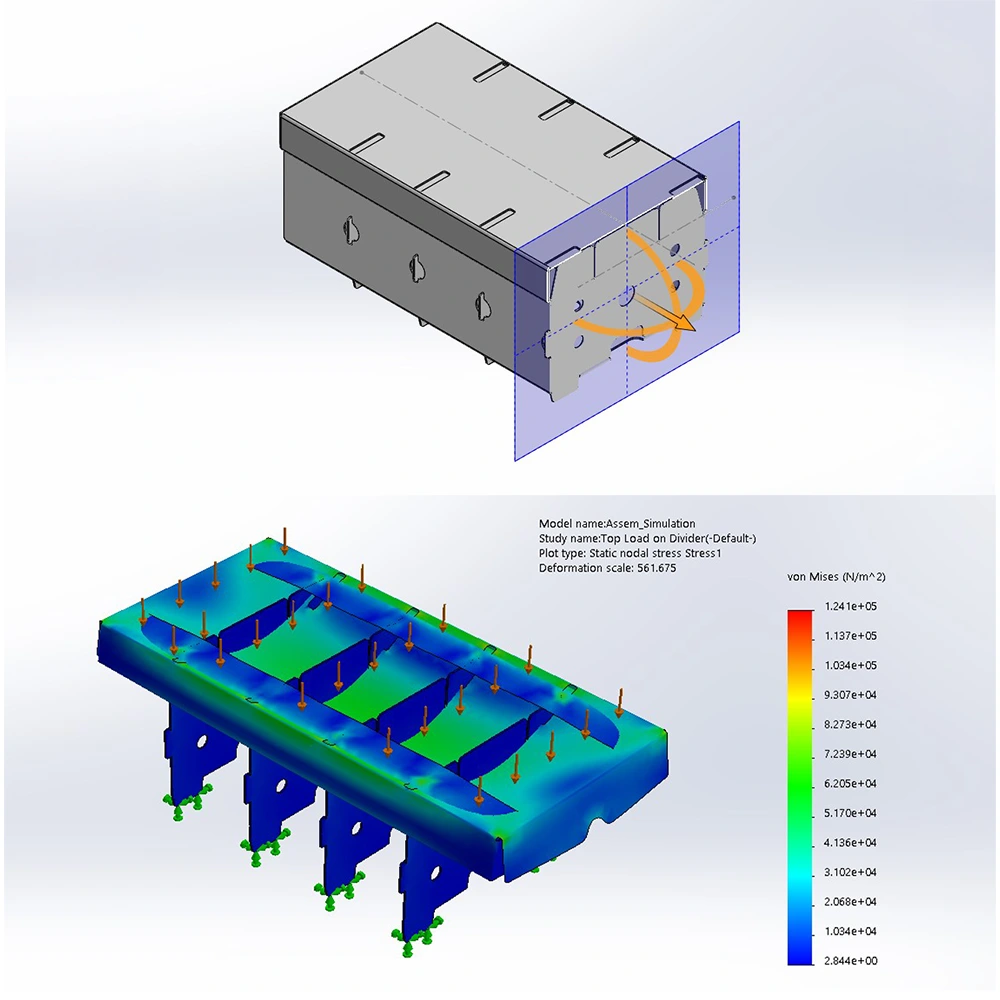
Fig. 14 · Top load simulation
Fig. 15 · Stability and Ventilation
Fig. 16 · Reusable solution
Conceptual Design · Creative Problem Solving
Sketching: An Ongoing Practice
Fig. 17 · Ideation on laptop solutions
The thinking happens on paper
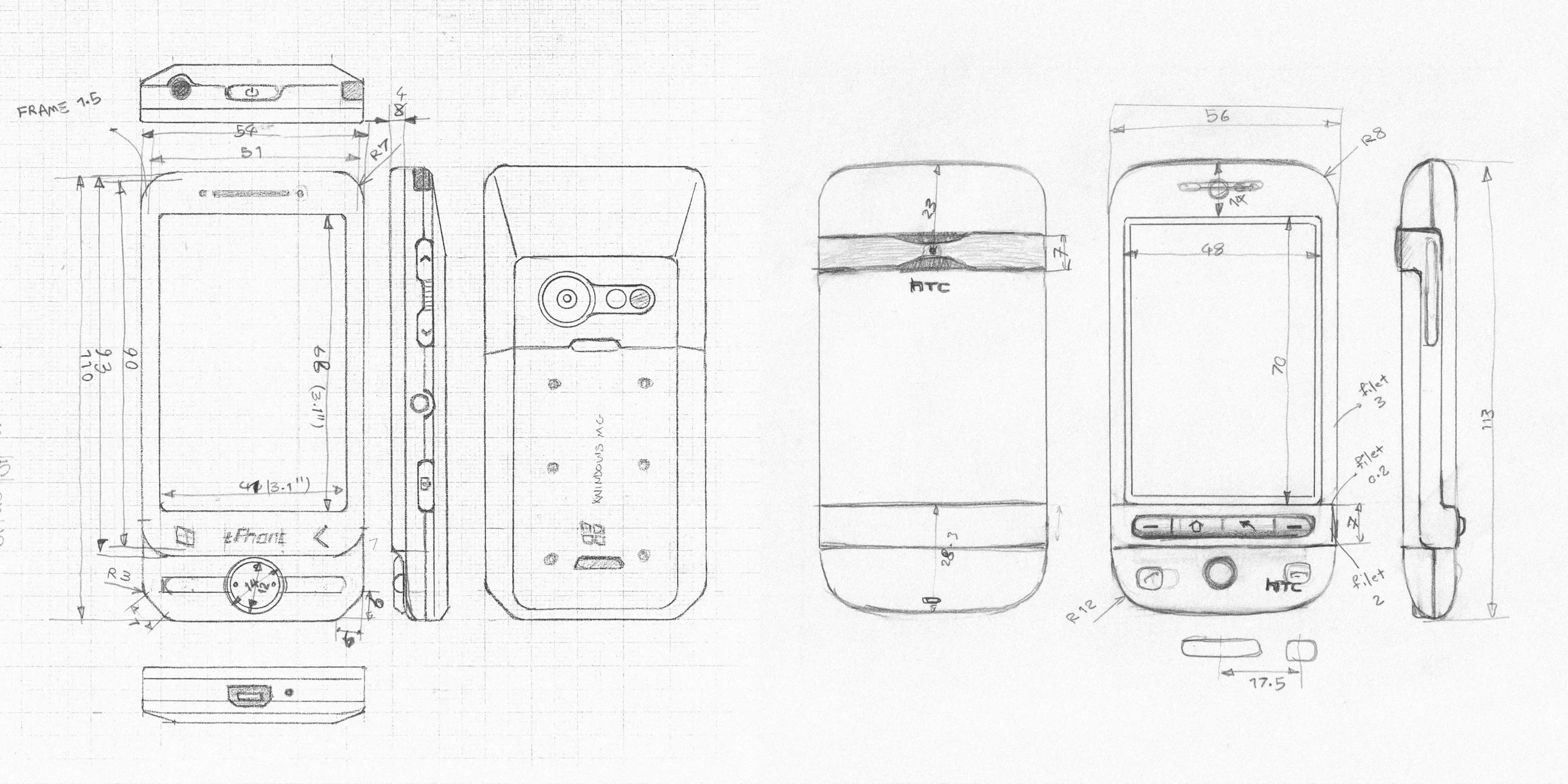
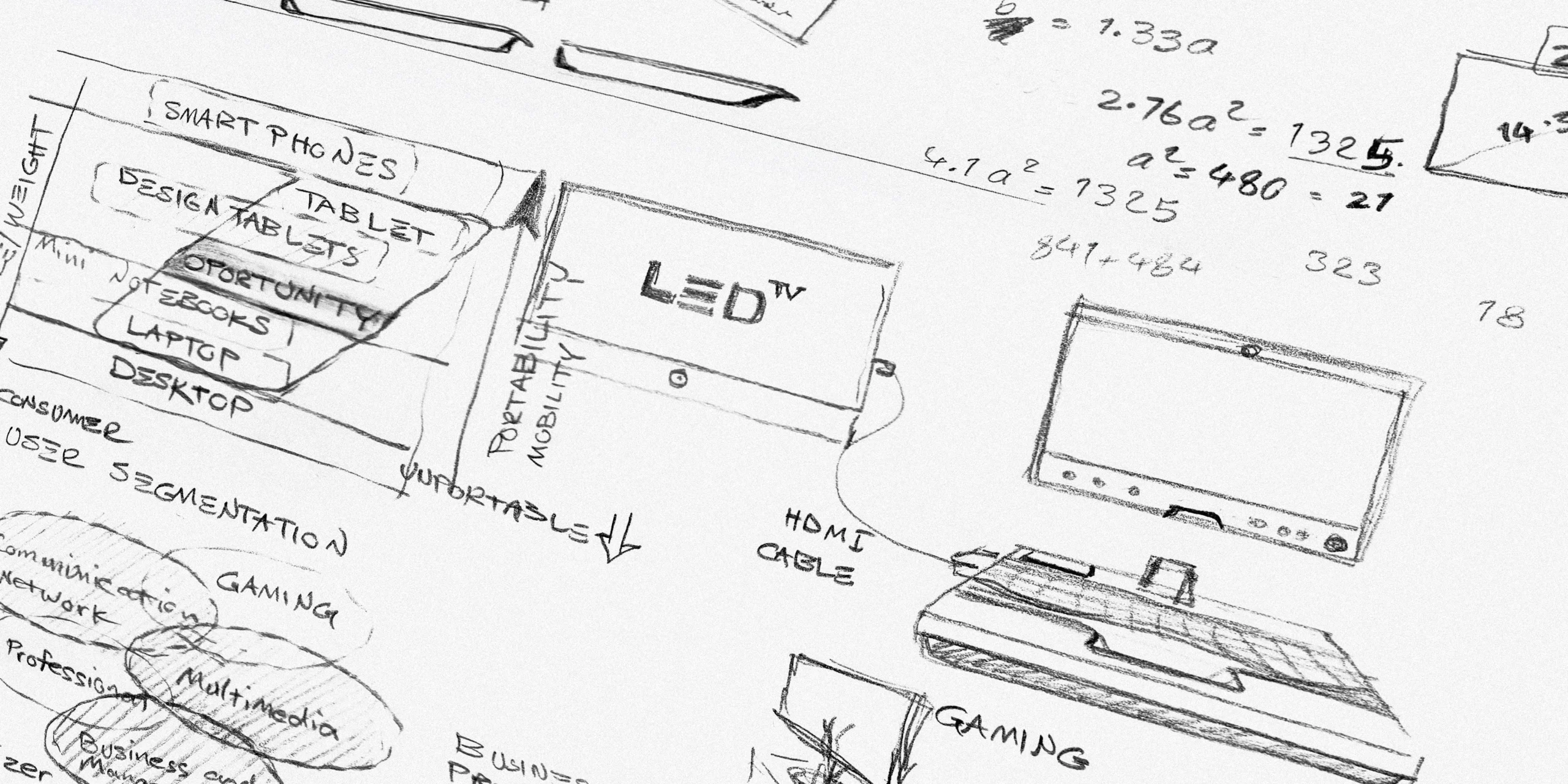
Every project on this site started the same way: a pen, a stack of paper, and an hour of drawing before any software opened. Perspective studies, exploded views, mechanisms, proportions tried and rejected ten times a page. A drawing is the cheapest prototype there is, cheap enough to be wrong about fifty ideas before lunch, and a form resolved on paper keeps the later, expensive stages calm. I keep the practice running between projects the way a musician keeps scales, because the hand goes quiet without it. These sheets are working documents, shown as they are.
Fig. 18 · Phone Blueprint
Fig. 19 · Market Analysis and Ideation
Fig. 20 · Form exploration
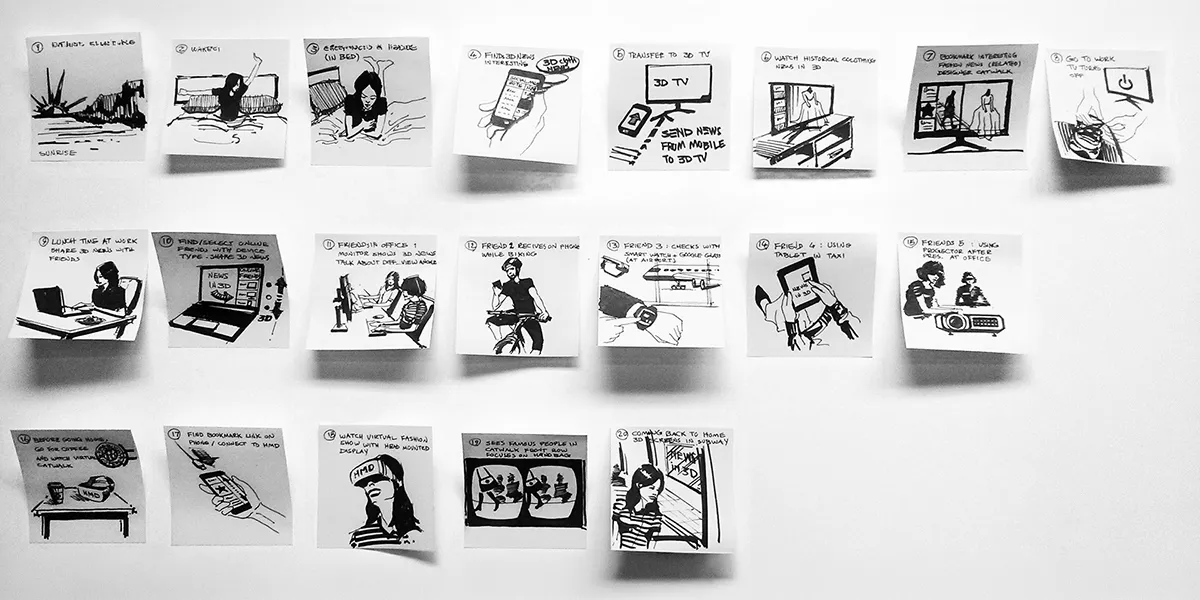
Fig. 21 · Storyboarding
Making is how I think. The rigor in the case studies was built at this bench, one model, one box, one sheet of paper at a time, long before the titles arrived.